





















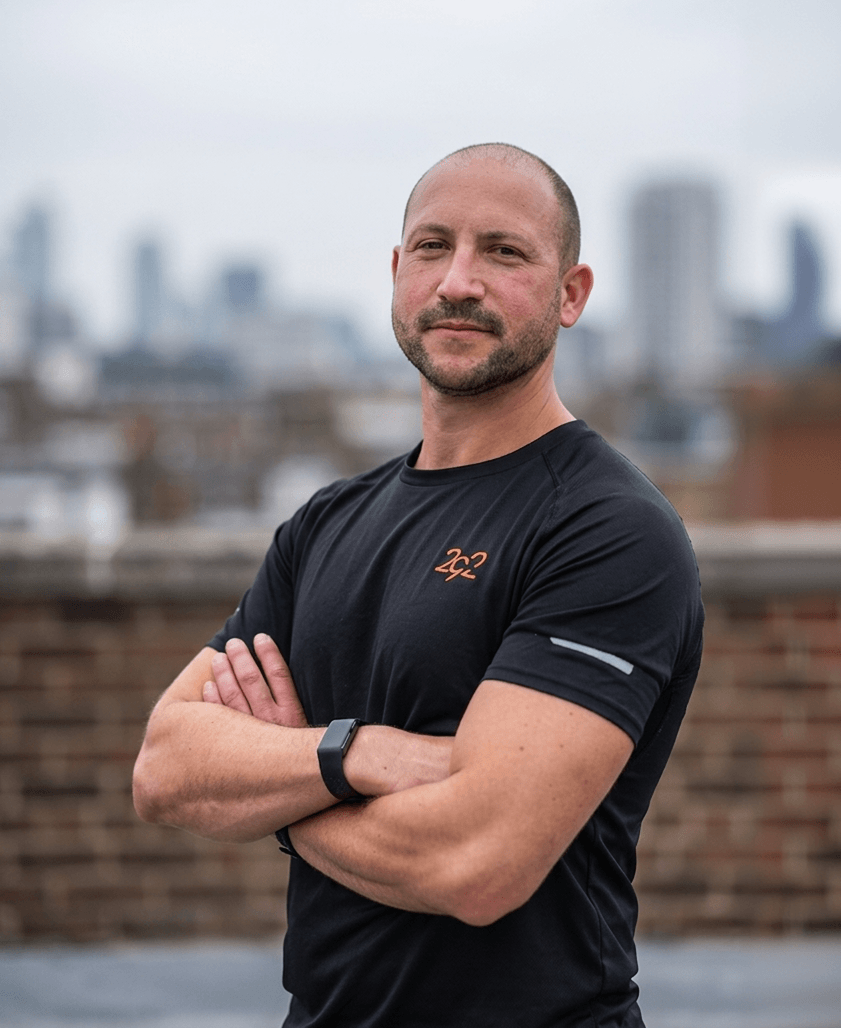
After losing 54 days to hamstring injury during the 2022/23 season, the focus was clear: restore availability without compromising speed, sprint volume, or attacking output.
Assessment identified mechanical constraints in sprinting that were increasing strain at high velocity and limiting tolerance to repeated exposure.
A targeted off-season programme addressed sprint mechanics, strength, and high-speed exposure — delivered through an integrated 292 team aligned around performance and availability.
The result was zero days missed the following season, alongside increased sprint exposure, repeatability, and improved attacking output.
This work shows that availability and performance can be improved together when intervention is precise and aligned.
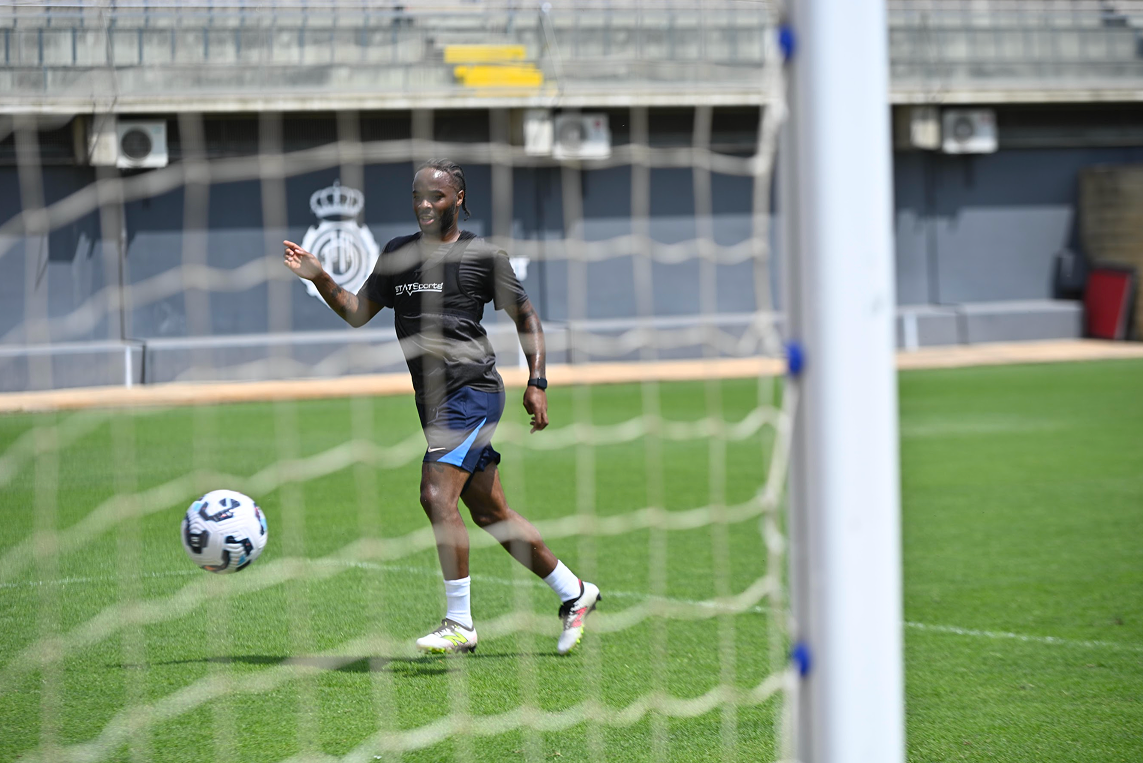
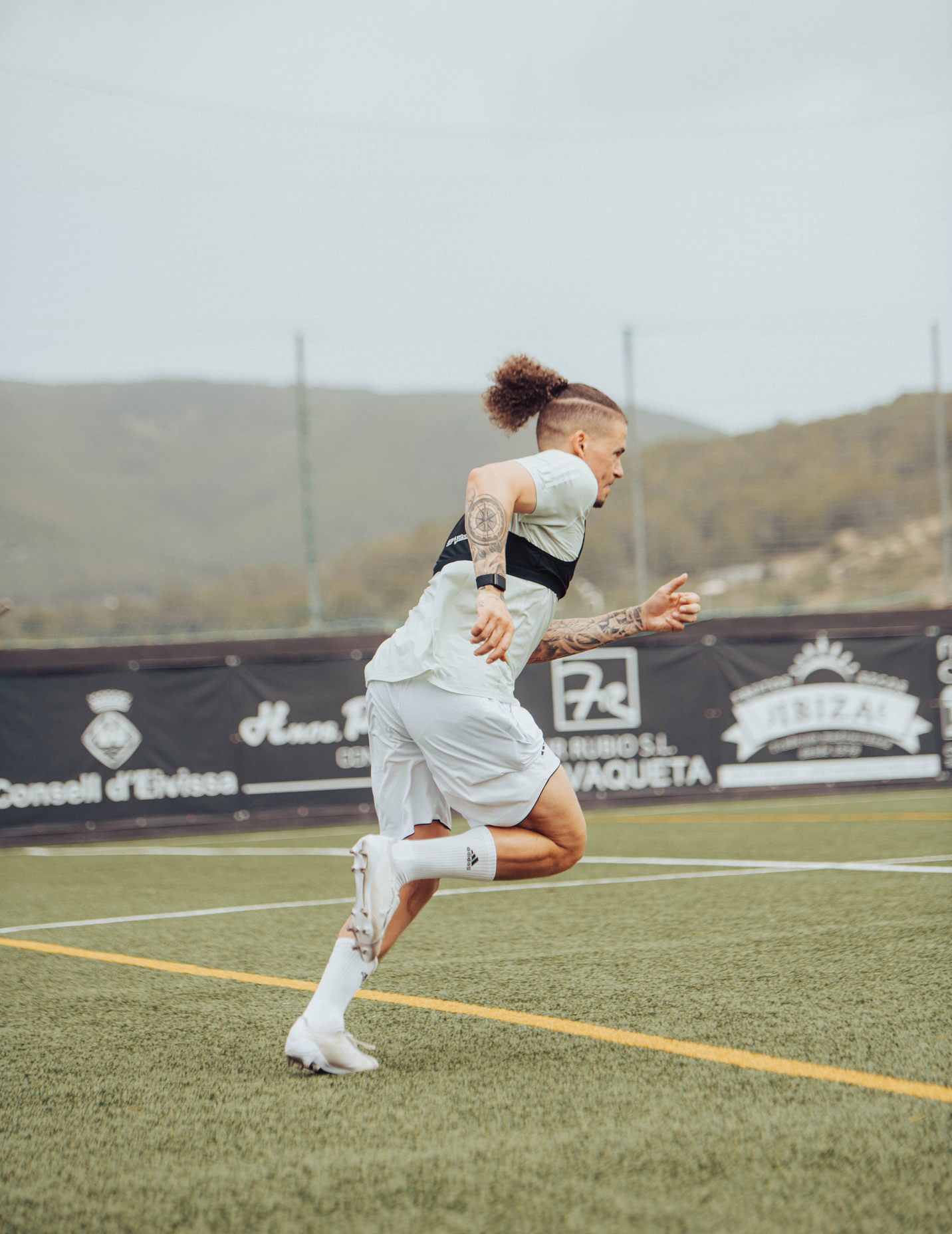
Following recurrent calf injuries, the priority was to restore tissue capacity without reducing sprint performance.
Profiling identified a 31% strength deficit, alongside a mismatch between force production and tissue capacity. The injured limb was absorbing increased load during acceleration, driving repeated breakdown.
Working in full collaboration with Manchester City, we aligned physical capacity with sprint demands: progressively restoring strength while maintaining and advancing sprint exposure, guided by continuous data monitoring.
The outcome was a return to high-speed sprinting without symptoms, reduced deficit, and improved robustness, all without compromising performance output.
This approach demonstrates that rehabilitation can be achieved without regression when root causes are addressed and exposure is maintained.
